
things-you-should-know-about-energy-saving-roofing-materials
Things You Should Know About Energy-Saving Roofing Materials
Your roof does more than just keep the rain and sun out of your house. It is especially important for keeping the temperature inside stable, consuming less energy, lowering utility bills, and increasing the property's value over time. Roofing materials that save energy are one of the best things homeowners can do with their money as energy prices rise and people become more aware of the environment.
If you're building a new home, replacing an existing roof, or making your home more energy-efficient, it's important to know how roofing materials affect energy use. The right material can help you save money on heating and cooling, make your roof last longer, and make you much more comfortable all year long.
This complete guide tells you everything you need to know about eco-friendly roofing materials, including how they work, which ones are best for your climate, and how they can help you save money in the long run.
Why roofing that saves energy is really important
The goal of energy-efficient roofing is to keep heat in your home and not let it escape to the outside. Most traditional roofing materials, especially the darker ones, soak up a lot of heat from the sun. It takes more work for your air conditioning system to cool down the heat that gets caught in the attic and living spaces.
In the winter, bad roofs let heat escape from the house, which makes heating costs go up.
A roof that saves energy helps in the following ways:
- Sending light back
- Lessening the quantity of heat that is absorbed
- Improving the performance of insulation
- Keeping the indoor temperature steady
- Using less heat and air conditioning
- Reducing the overall cost of energy
Studies reveal that roofs can let in or keep out 25% to 35% of a home's heat. Choosing the right materials can have a big effect on how well something works.
How roofing that saves energy works
There are three main ways that roofing materials that save energy do their job:
1. How well it reflects sunlight
This tells you how much light a roof bounces back. More light is reflected by something that absorbs less heat.
2. Emission of Heat
This is how quickly a material lets go of heat that it has absorbed up. A high emittance keeps the roof from getting too hot.
3. How well the insulation accomplishes its function
Good roofing and insulation work together to restrict heat from moving where it shouldn't.
When these things work together, your house stays cooler in the summer and warmer in the winter.
Various kinds of roofing materials that assist save energy
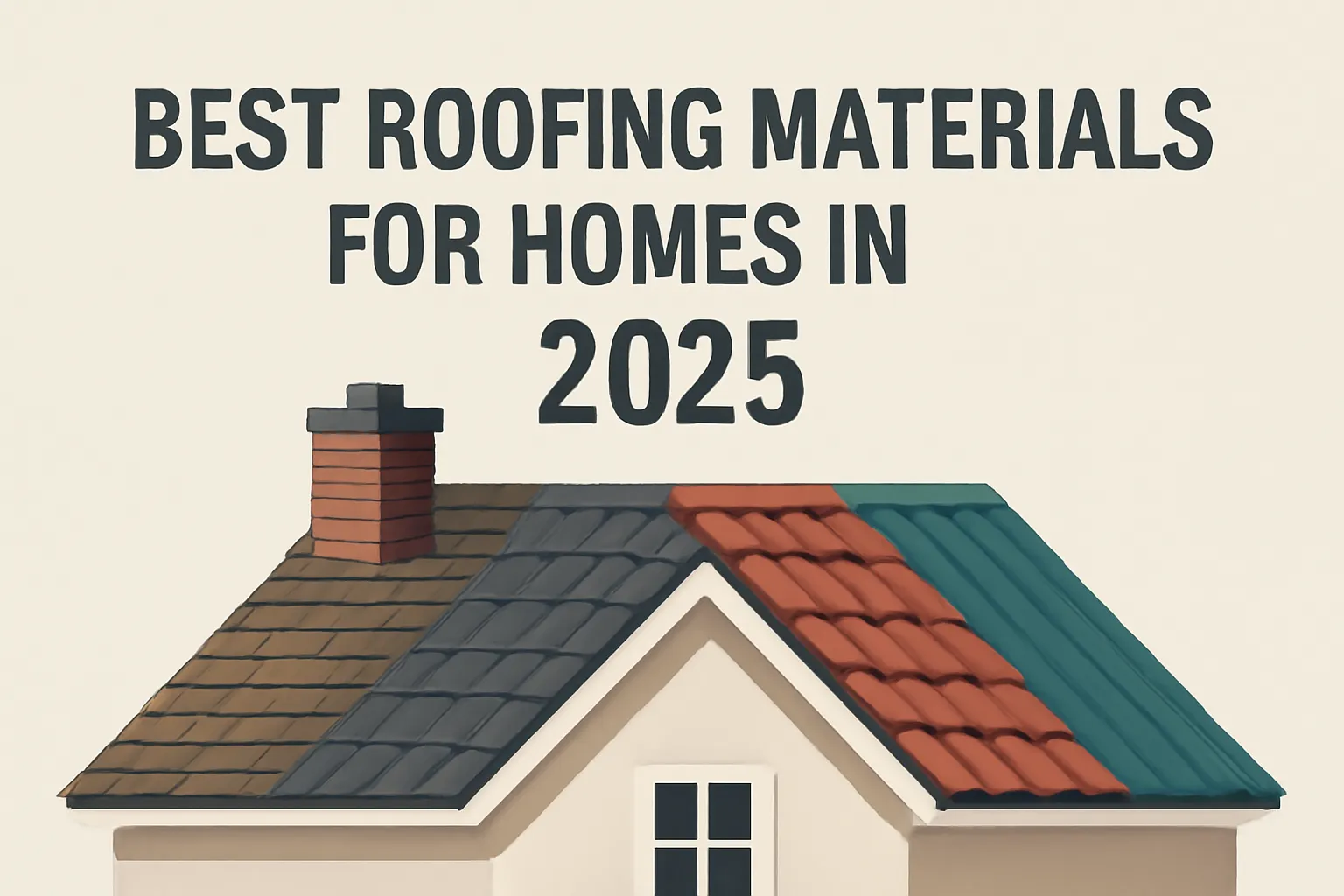
Many various types of roofing materials are made to work better. Each one has its own pros and downsides, depending on the weather, your budget, and the style of your home.
1. Reflective asphalt shingles for cool roofs
Modern asphalt shingles have reflective grains that are supposed to help the shingles reflect more light.
Pros:
- Not too expensive
- Simple to set up
- Can be found in many places
- Works with most homes
- Costs for cooling go down
Best for: homes in warm or mixed climates.
Asphalt roofs suck up heat, but cool shingles reflect more sunlight and make the roof much cooler.
2. Roofs made of metal
Using metal roofing is one of the best ways to save energy. It naturally reflects sunlight, but you may apply other treatments to make it even more reflective.
Pros:
- Lasts a long duration, from 40 to 70 years.
- Very kind
- Not heavy
- Not flammable
- Doesn't need a lot of upkeep
- Can be used again
In hot climates, metal roofs can cut your cooling costs by up to 25%.
Best for: residences that get a lot of sun or have very hot or very cold weather.
3. Tiles made of concrete and clay
Tiles composed of clay and concrete naturally keep heat in and reflect light well, especially if they are light in color.
Things that are good:
- Lasts a long time, more than 50 years
- Good at letting air in
- Very strong
- Not able to catch fire
- Style of classic architecture
Best for: Hot and sunny places.
The air that moves under tile roofs helps keep the temperature stable.
4. Slate roof
Slate is a natural stone that lasts a long time and keeps heat in.
Pros:
- Lasts for a very long time, up to 100 years.
- Natural thermal performance
- Fireproof
- Things that are good for the earth
Best for: High-end homes that want something that will last and work well for a long time.
Slate is more expensive, but it's a wonderful investment for the long term.
5. Roofs with Plants (Living Roofs)
There are layers of soil and plants on green roofs. They naturally keep things warm and cool.
Pros:
- Better insulation
- Not as great of an effect on urban heat islands
- Sustainability for the planet
- Taking care of rainwater
- Better air quality
Best for: homes in cities and projects that care about the environment.
Green roofs are better for the environment, but they are harder to put up.
6. Roofs with solar panels
Solar panels or solar shingles protect your roof and turn sunlight into electricity.
Pros:
- Make energy that can be used again
- Lower your electricity bill
- Make the property worth more
- Energy independence for a long time
Best for: Homes that get a lot of sun.
You can save a lot of money over time, even if it costs more at first.
7. People make roofing materials
Synthetic materials appear and feel like slate, wood, or tile, but they use less energy.
Good things:
- Not heavy
- For a long time
- A lot of the time, when I remember back
- Not as expensive as natural choices
Best for: People who own homes and want them to look and work better.
How the roof color affects how efficiently it saves energy
The color has a big impact on how much heat it absorbs.
- Roofs that are light in hue reflect more sunlight.
- More heat is absorbed by dark roofs.
Warm places look nice in white, beige, and light gray. Darker roofs could help keep the heat in during the winter, but they might also make it more expensive to cool the property in the summer.
Modern cool roof coatings make it possible for even darker colors to reflect heat well.
Insulation and ventilation for the roof
It's not enough to only use materials that save energy.
Your roof system will perform best if it has the following:
- Insulation with a high R-value
- The attic has decent air flow.
- Radiating barriers
- Closed air holes
Insulation keeps heat from moving, and ventilation lets heat and moisture out. They work together to make things go more smoothly.
Things to think about when it comes to the weather
Warm weather
- Pick materials that reflect light well.
- Set up obstacles that are bright
- Watch how air moves
When it's chilly
- Put insulation first
- Stop ice dams
- Stop air leaks
Different kinds of weather
- Find a balance between how reflective it is and how well it retains heat in.
- Think about utilizing metal or cold shingles.
Choosing products that work well in your location may help you save the most money.
One way that energy-efficient roofing might help you save money is by lowering your power bills.
Using less heating and cooling can help you save 10% to 30% on your energy expenditures.
The roof will endure longer.
Heat doesn't degrade energy-saving materials, so repairs don't have to happen as often.
The property is worth more.
Homes that use less energy are more appealing to buyers and sell more quickly.
Tax breaks and other perks
Many countries provide residents money to make energy-saving improvements to their homes.
Not as much money is needed to update HVAC systems.
When heating and cooling systems aren't working as hard, they last longer.
How it affects the environment
Less energy-intensive roofing cuts down on:
- Carbon emissions
- Using fossil fuels
- What do urban heat islands do?
- The most energy needs
Choosing materials that are good for the environment is also good for the environment.
Don't Make These Common Mistakes
- Picking materials purely depending on how much they cost
- Not paying attention to what insulation requires
- Making plans for bad airflow
- Hiring installers who don't have a lot of experience
- Not thinking about how the weather may affect it
Having a specialist put it in place helps sure it works at its best.
Long-Term Return on Investment
Some materials that save energy cost more at first, but over time, the benefits are usually worth the extra money.
Homeowners could save thousands of dollars over the period of 20 to 30 years on:
- Bills for energy
- Taking care of
- Repairs
- Replacing the HVAC system
Roofing that saves energy is an excellent investment since it saves you money and makes your property worth more.
How to Pick the Best Roofing Material That Saves Energy
Think about:
- The weather in the area
- Money
- Building a home
- Preferences for maintenance
- What you think will happen in the future
- Coverage under warranty
- Goals for using less energy
A good roofing contractor can help you find the best solution for your needs.
Last Thoughts
Energy-efficient roofing materials are not only popular right now, but they are also a good choice for homeowners. These materials are good for the environment and your cash since they reflect heat, make insulation better, and use less electricity.
Choosing a material that works with your environment and long-term goals is the most crucial factor. This could be reflective shingles, metal roofing, clay tiles, slate, green roofs, or solar panels.
A well-designed roof that uses less energy makes your home more pleasant, lowers your power bills, raises the value of your property, and protects your investment for decades.
Being efficient with roofs entails more than simply saving energy; it also means making them stronger.
Most Frequently Asked Questions
What kind of roof material needs the least amount of energy?
Metal roofs with reflecting coatings are some of the best choices for saving energy, although cool shingles and clay tiles also work well.
Do roofs that save energy really cut costs?
Yes. Many homeowners save between 10 and 30 percent on their cooling expenditures.
Do roofs that save energy cost more?
Even if the initial costs may be higher, the investment usually pays off in the long run.
Can I make my roof better by replacing it?
Yes. Better insulation, better ventilation, and reflective coatings can all make things work better.
How long do roofs that save energy last?
The material will influence how long it lasts, which can be anything from 20 years to 70 years or more.