
How the Roofing Industry is Becoming More Environmentally Friendly
How the Roofing Industry is Becoming More Environmentally Friendly
The roof of a house keeps the people inside dry, makes the house seem better, uses less energy, and alters how much the house is worth. The roofing business needs to modify the way it works to be better for the environment as the globe moves toward sustainability. This article talks a lot about how green technologies are being used in the roofing business, the science behind them, and how these new concepts are making buildings perform better and hurt the environment less.
Why the Look of Your Roof Is More Significant Than You Would Imagine
Most people think of shingles, tiles, or metal panels when they think of roofs. The materials used to create the roof are equally as significant as the design and structure when it comes to how long it lasts and how effectively it works.
A well-planned roof design is particularly significant for:
- Lowering the cost of energy
- Cleaning up water that flows off during storms
- Extending the life of roofing materials
- Improving the way the inside feels
- Making real estate worth more
- Keeping maintenance to a minimum
The Optimum Combination of Materials and Design
When it comes to keeping roofs alive, a well-thought-out design is just as crucial as solar shingles and cool roofing. Roof designs that let air circulate, drain water well, and spread weight equally can make the roof survive a lot longer and operate a lot better. If the roof is built the right manner, it's also easier to add solar panels and other techniques to save energy.
How Green Roofing Technologies Help the Environment
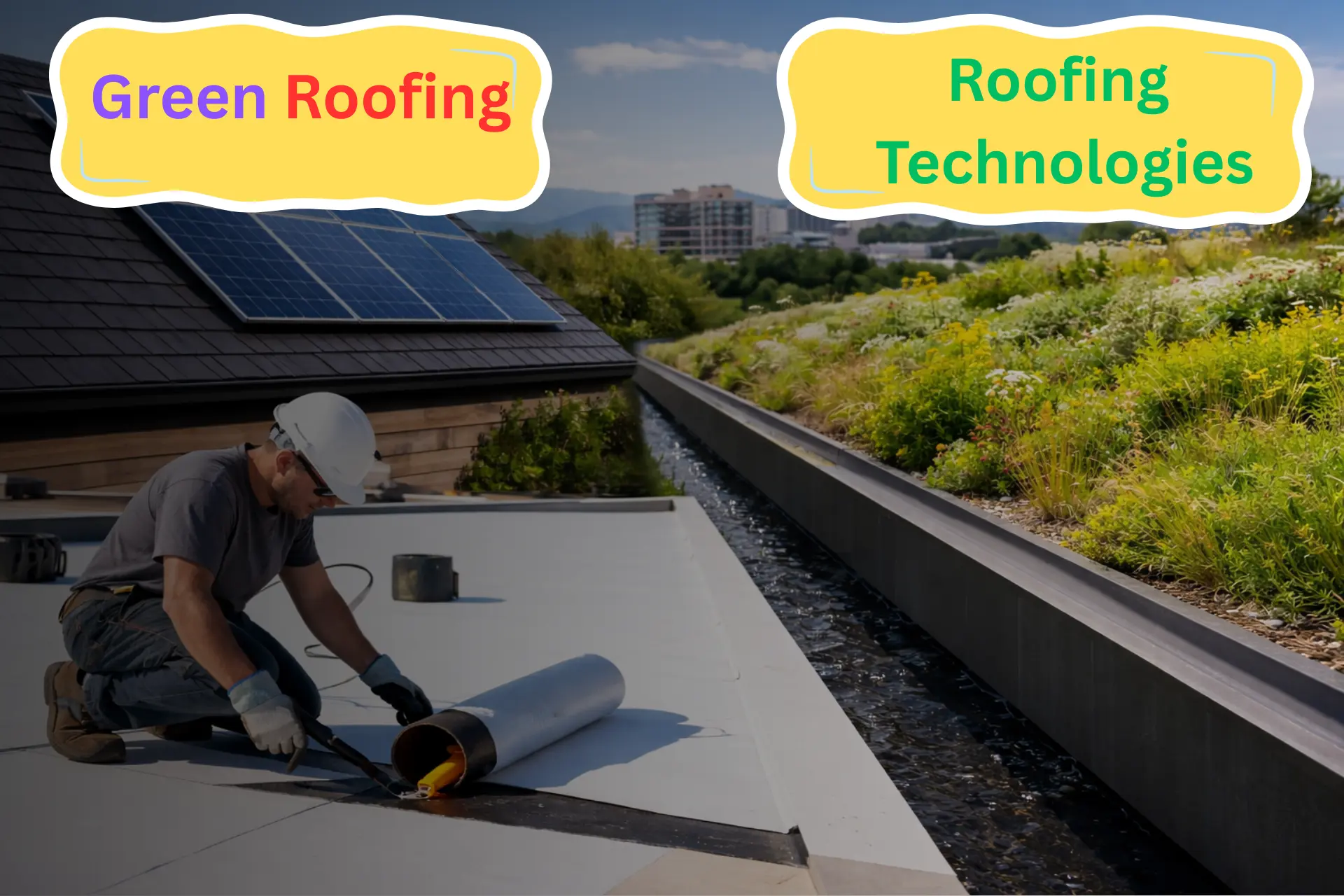
The roofing firm is using materials and designs that are better for the people who live in the building and the environment. Here are some of the most important technologies that help the environment:
1. Roofs That Are Cool
Cool roofing is preferable for warm locations since it doesn't absorb as much heat and reflects more sunlight than standard roofing materials. These roofs can cut down on the demand for air conditioning a lot, which saves energy and makes it cheaper to cool. Most of the time, cool roofs are composed of materials that are white or light in color. This keeps them cool instead of making them hot.
2. Roofs with Solar Panels on Them
Photovoltaic panels or shingles are put into solar roofs so that the buildings can create their own electricity. You might save money on your electricity bill and use less energy from sources that can't be replaced by using solar panels. Solar panels on roofs perform effectively in regions where the sun shines a lot. New solar shingles look fantastic and save electricity.
3. Green Roofs
Plants grow on green roofs, which is a natural approach to keep buildings warm, save energy, and clean the air. These roofs keep water from running off, cool down towns, and give animals a place to dwell. More and more cities are putting plants on their roofs. These roofs help cities last longer and give more plants and animals a place to dwell.
The Study of How to Build Roofs That Are Robust and Last a Long Time
The materials, design, and ability of the roof to hold up to the elements all determine how long it will survive. Let's look at some of the most crucial parts:
1. Resistance to Wind
Roofs need to be able to handle wind pressure in places where hurricanes or severe winds happen a lot. Flat roofs are more likely to come off than hip roofs and slanted roofs. Wind is less likely to damage a roof that is designed and shaped a certain manner.
2. The Weight of Snow and Ice
In frigid areas, roofs must be robust enough to hold the snow and ice that builds up on them. Roofs with steep slopes are better at keeping snow from building up, and roofs with slopes can help get rid of ice and snow quickly. This is very vital to keep the structure from getting worse or tumbling down.
3. Taking Out Water
Water that isn't drained properly might damage roofing materials over time. Roofs that allow water flow off rapidly and have effective drainage systems endure longer and don't need as much care. For example, flat roofs need particular coatings and drainage systems to keep water from pooling, which can cause leaks and damage.
Key Parts of Roofing Designs That Work
Some types of roofing endure longer and operate better in more types of weather than others. Some of the greatest roofs that last a long period are:
1. Roofs with Hips
The hip roof is one of the sturdiest forms of roofs. The four sides go down and meet at the top. These roofs are perfect for regions that get a lot of storms and strong winds.
Pros:
- Better at handling wind
- The weight is spread out equally.
- Does well in adverse weather
Best for: Places near the coast or places that could get hurricanes.
2. Roofs with Gables
The top of a gable roof is shaped like a triangle, while the two sides slope down from it. They don't cost much, are easy to put together, and do a good job of keeping rain and snow out.
Pros:
- Water goes away quickly
- Making it is simple and affordable.
- Let's see if the attic receives enough fresh air.
Best for: Places where it snows and the weather isn't too harsh.
3. Saltboxes on the Roof
The angles of a saltbox roof are different from those of a gable roof. This design keeps water and snow out and performs well in heavy gusts.
Pros:
- Works nicely when the wind is blowing
- Good at removing snow
- The weight is spread out equally.
Best for: Locations like New England, where it gets chilly and windy.
4. The Tops of the Sheds
Because it only has one pitch, the shed roof is one of the easiest types of roofs to build. This design may look simple, yet it works effectively and is easy to keep clean.
Things that are good:
- A lot of seams and joints
- Water that flows well
- Putting it together and fixing it is simple.
Best for: New homes and places with great weather.
5. Roofs with a Gambrel Form
Many barns and houses in the country have roofs that look like a gambrel. Two sloping sections on either side make the attic bigger. They are strong and can handle a lot of snow.
Pros:
- Good drainage for snow
- Strong framing with added support
- Gives the attic extra space
Best for: Homes in locations where it snows a lot.
6. Roofs Shaped Like Mansards
The lower side of a mansard roof is quite steep, while the other three sides likewise slope down. This style is typical in city residences and luxury homes, and it makes the attic look bigger.
Pros:
- Gives you extra space to live in
- Water flows easily
- A lot of help with the building
Best for: Cities and mansions that cost a lot.
7. Flat Roofs
These days, a lot of homes and businesses have flat roofs. Most of the time, these roofs keep water out with high-tech membranes like PVC and TPO.
Good things:
- Easy to fix and maintain up with
- Good for placing solar panels on roofs
- Flat surfaces are excellent for machines.
Best for: Houses and businesses in cities.
8. Roofs that Are Domed
Unlike other roofs, dome roofs are not flat. This makes them stronger against the wind and helps them bear the weight evenly. They are one of the strongest kinds of roofs, although not many people use them.
Things that are good:
- Better at standing up to wind
- Good weight balance
- How to get rid of snow in a way that helps
Best for: Places with terrible weather.
How Long Does Roofing Endure in Different Kinds of Weather?
The weather in the area is highly significant when picking a roof design that will endure the longest. These are some factors to consider about while choosing the finest roof for your area:
- When the wind is strong, hip and dome roofs perform well.
- If you live in a place that gets a lot of snow, gable, saltbox, and gambrel roofs are the greatest types of roofs.
- Roofs in places that get a lot of rain should be steep and have good drainage.
- Shed and flat roofs with reflective coatings are great for warm places since they keep the heat out.
How to Keep Roofs in Good Shape for a Long Period
You need to take care of your roof often if you want it to last a long time. You can do these things to keep your roof in good shape:
- Check things out once a year.
- You should clean your gutters and downspouts a lot.
- Check for leaks or damage caused by water.
- Make sure your vents are working properly so that mold doesn't grow.
Last Words
The roofing industry is moving into a new era of green options that are sturdy, endure a long time, and conserve energy. Green roofs, solar roofs, and cool roofs are just a few of the new ideas that are revolutionizing how roofs are created and cared for. If you pick a design that is excellent for the environment and uses less energy, your new home or roof will last longer and have less of an effect on the environment.
Your roof will endure a long time if you choose the appropriate design, utilize decent materials, and take care of it. This will keep the weather out of your home and make it worth more.